One of the most frequent questions we hear from our students is simple yet revealing: "What time should I go surfing?" The honest answer is that there is no magic hour; there is a relationship between tide, wind, and the beach that changes every day. But, contrary to how it seems, it's not complicated to understand.
This article will teach you to think like someone who has been surfing for years: looking at the tide table and knowing, more or less, what to expect even before reaching the beach.
Why the Tide Matters So Much
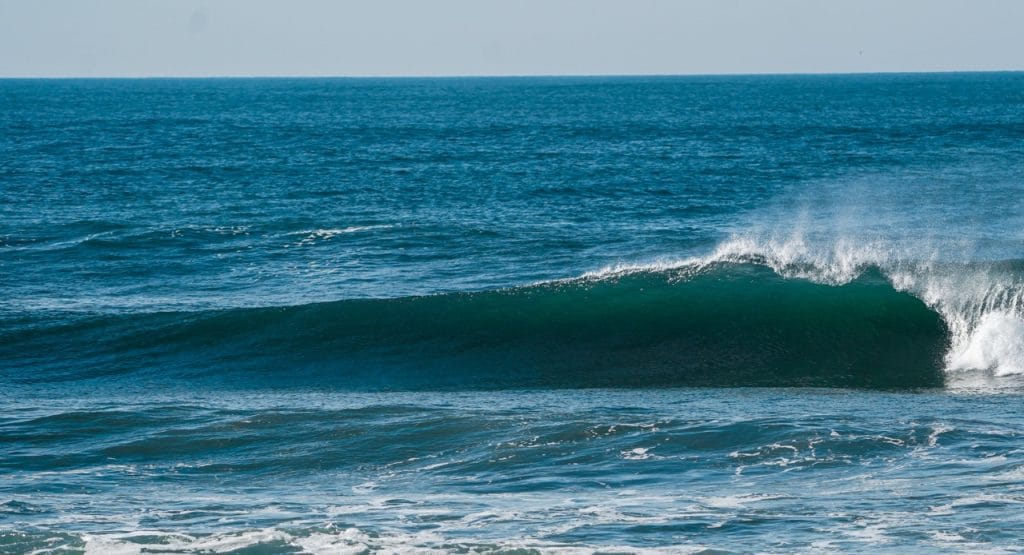
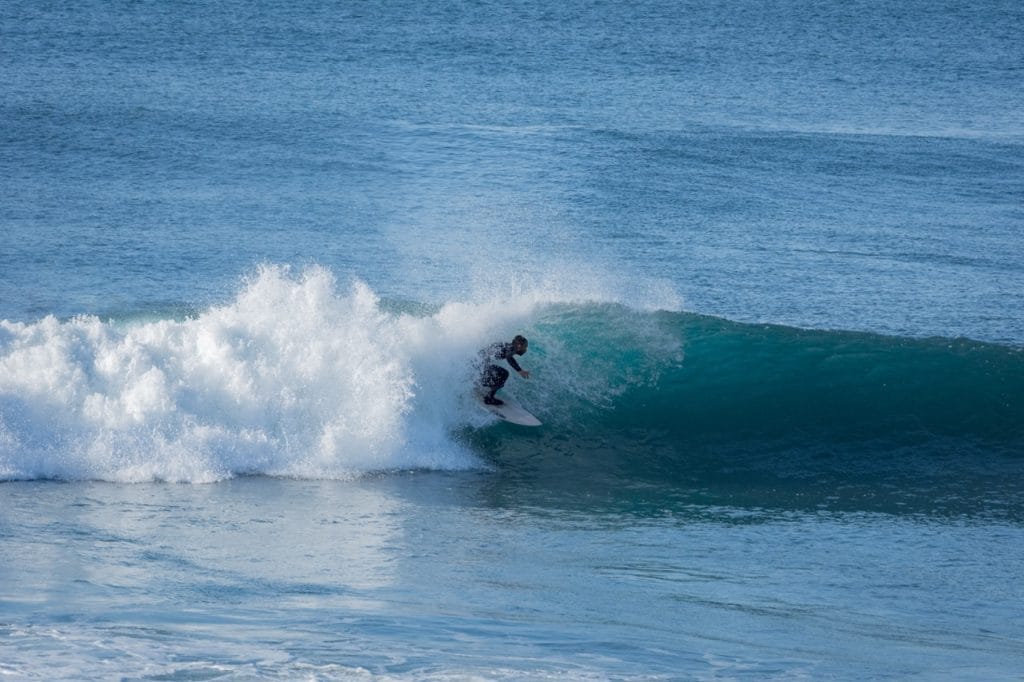
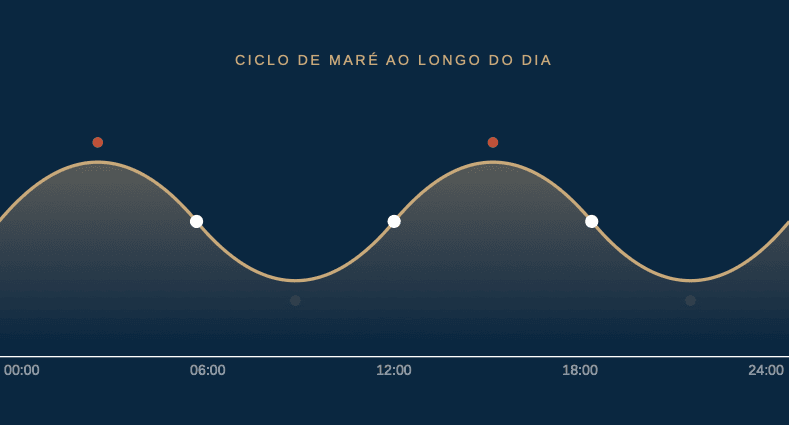
The tide doesn't just change the water depth; it completely changes the way the wave breaks. At very low tides, the bottom is closer to the surface, which can cause the wave to break faster.
At very high tides, the opposite happens: the water is deeper, and the wave loses power before reaching the lineup.
"It's not the hour that chooses the wave. It's the wind that follows the hour."
The time of day also counts, but not the way you think
Contrary to the myth that "early morning is always best," the truth is more nuanced. The most important factor isn't the hour itself, but what usually happens at that hour: the wind.
No Norte de Portugal, é mais comum o vento estar mais calmo nas primeiras horas da manhã, antes do sol aquecer a terra e pode criar correntes térmicas que sopram do mar para terra (onshore).
How to Put This Into Practice, Without Getting Overcomplicated
You don't need to become a meteorologist to catch good waves. You just need three pieces of information before leaving the house: the tide phase, the wind direction, and the swell size/period. Apps like Windguru or Surfline .
The Most Important Rule of All
If there is one thing we want you to take away from this article, it's this: learning to read the sea is a skill developed over time, not through theory. Our instructors spend part of each lesson explaining what they are seeing in the waves at that specific moment, because theory is just the starting point.
Over time, you’ll start to notice patterns. You’ll know, just by looking, if that beach is going to work well at that hour. It’s one of the most rewarding parts of learning to surf—feeling like you’re starting to "speak" the language of the ocean.