Every year on July 25th, Spain celebrates Santiago's Day (Saint James' Day), a national holiday honoring the apostle James the Greater, whose tomb, according to tradition, was discovered in Compostela during the 9th century. What is often forgotten is that this date has a direct and deep connection to the place where you are right now, or where you are planning to travel: Northern Portugal.
Who Was Santiago and Why Is He Celebrated on July 25th
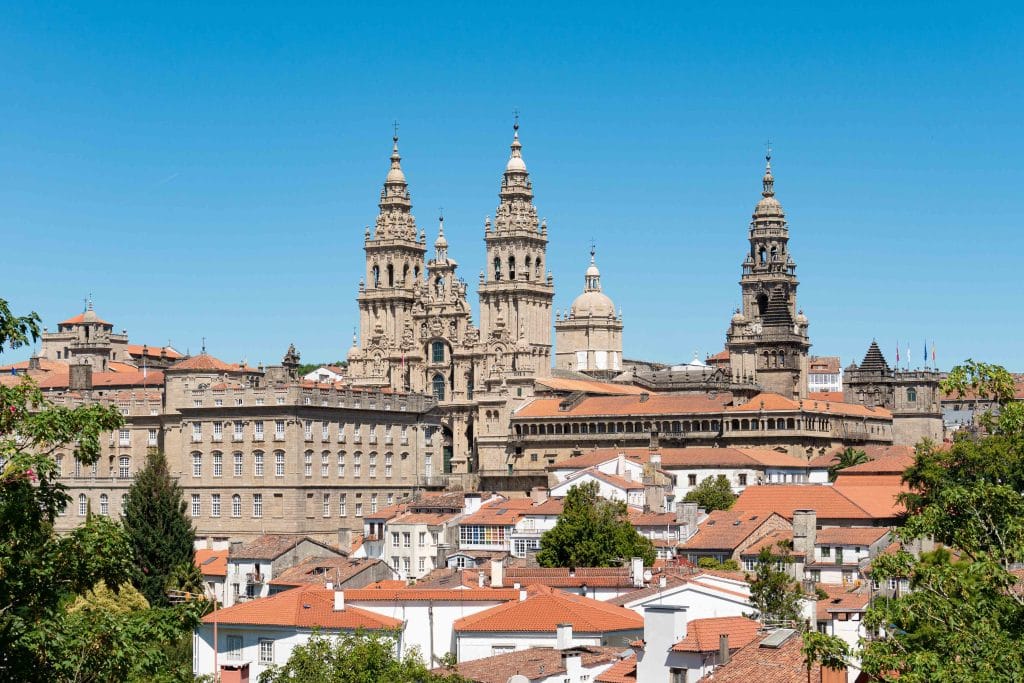
James the Greater was one of the twelve apostles of Jesus Christ and, according to Christian tradition, preached in the Iberian Peninsula before returning to Judea, where he was martyred. His remains, legend says, were brought back by boat and buried in what would become Santiago de Compostela, in Galicia. The discovery of the tomb in the 9th century transformed Compostela into one of the most important pilgrimage destinations in Christendom, alongside Jerusalem and Rome. On July 25th, his liturgical feast is celebrated, and in "Holy Jacobean Years" (when the 25th falls on a Sunday), the celebrations in Compostela reach an even grander scale, attracting millions of visitors.

"It's not just a date on the religious calendar. It's the reason why, for over a thousand years, there has been a path that can still be walked today."
The Portuguese Way: The Route That Crosses the North
Among the various routes that converge in Compostela—such as the French Way, the Northern Way, or the Via de la Plata—there is one that starts in or passes directly through the territory where we are: the Portuguese Way, which has its traditional starting point in Lisbon or Porto, and heads north until crossing the border in Valença or following the Coastal Variant right next to the Atlantic.
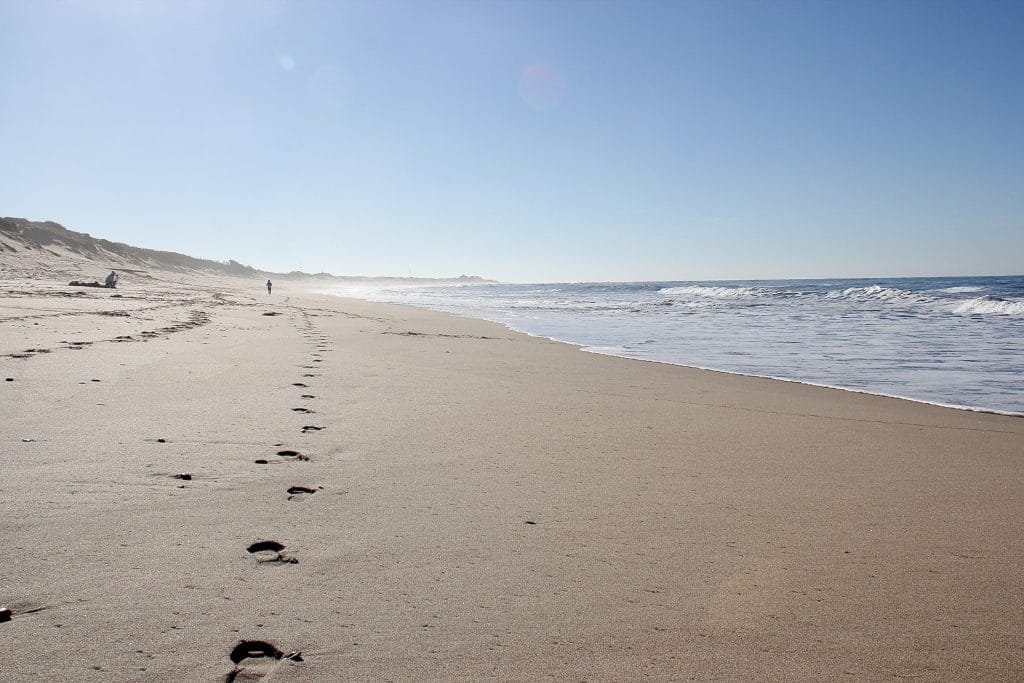
It is precisely this Coastal Variant that comes closest to the spirit of what we do here: it follows the coastline, passing by beaches, fishing villages, and Atlantic landscapes.
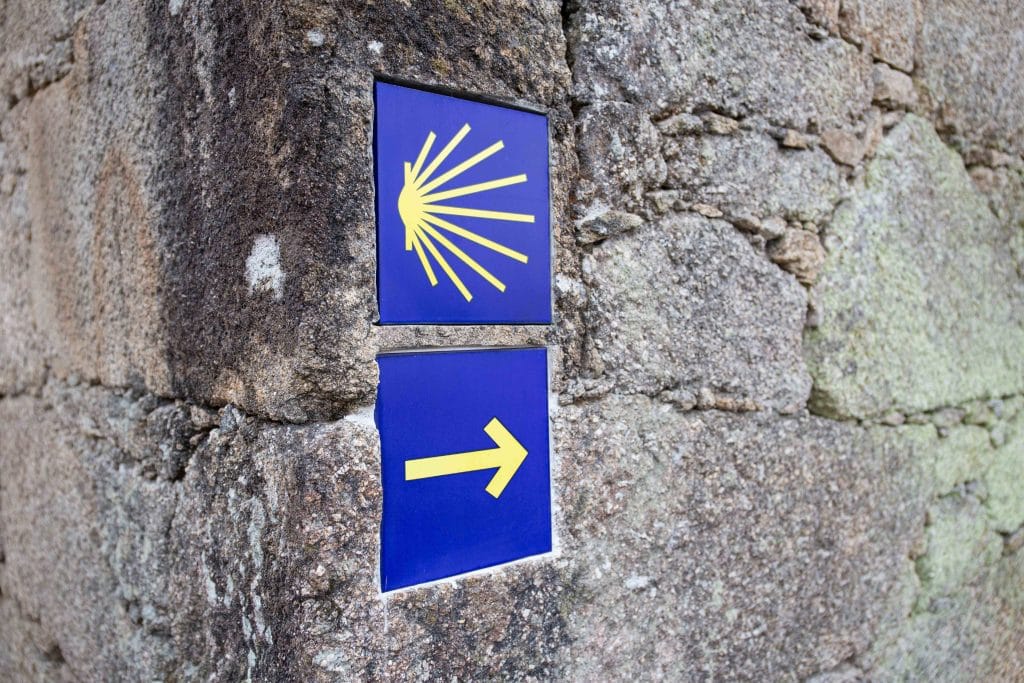
Walking even just a section of this route between Vila do Conde e Caminha, for example, means walking through the very same landscape that has seen pilgrims pass by since the Middle Ages. The yellow arrows with the scallop shell, the symbol of Saint James, still guide the way, painted on posts, walls, and stones along the coast.
The Scallop Shell of Santiago: The Symbol That Also Belongs to the Sea
There is something poetic about the choice of the scallop (the shell) as the symbol of the Way of Saint James. According to one of the legends associated with the apostle, when his body was being transported by sea to Galicia, it arrived at the coast covered in shells, and since then the scallop has become the universal emblem of the Jacobean pilgrimage.
It's curious to think that the symbol of one of the greatest overland pilgrimages in history originates from the sea. For those who live and breathe the Atlantic every day, as we do here, this connection between faith, walking, and the ocean is no coincidence—it is the very same ancestral relationship between the people of this coast and the water that has always existed.
One Date, Two Ways to Reach the Same Place
There are those who arrive at this coast on foot, with a scallop shell hanging from their backpack, after weeks of walking. There are those who arrive by plane, with a surfboard under their arm, for a week of lessons. Ultimately, everyone is looking for the same thing: a break from the normal rhythm of life, a return to something simpler and more physical, a connection with something greater than the everyday routine.
Santiago's Day is, perhaps, a good reminder that this coast has always been a place of passage, of searching, and of transformation.